
For many of us, wellness brings to mind exercise, healthy meals, restful sleep, or a quiet moment. Active substance use can make these everyday forms of care difficult to prioritize.
Addiction can disrupt routines, leaving less time and energy for self-care. This does not mean a person has stopped caring about their health or family. Substance use disorder can crowd out habits that support well-being.
National Wellness Month offers a compassionate reminder that recovery can include learning how to care for yourself again.
How Substance Use Can Push Wellness Aside
During active addiction, regular meals may become less consistent. Sleep can be interrupted, medical or dental appointments may be postponed, and physical activity may disappear from the day.
For parents, personal wellness may fall even further down the list. Their limited energy may go toward urgent problems or their children’s needs while their own health goes unattended.
Exhaustion and untreated health concerns can make daily responsibilities harder. Employment, finances, parenting, housing, and relationships may all suffer when someone is physically depleted or emotionally overwhelmed.
Recovery Includes Learning to Care for Yourself

SAMHSA describes recovery as a process of change that includes improving health and wellness while building a self-directed life. Treatment and sobriety matter, and so does rebuilding daily life.
A regular meal can provide energy for work or an appointment. Consistent sleep may help with clear thinking and stress. Movement can be as approachable as walking or playing outside with the kids.
Wellness can also mean visiting a doctor, taking prescribed medication, setting a healthy boundary, or resting before exhaustion. These ordinary steps can feel unfamiliar after prolonged instability.
The goal is not a perfect routine. Progress may begin with filling a water bottle, preparing a meal, scheduling a checkup, or going to bed earlier. Each choice can reinforce that a person’s health is worth protecting.
How Elijah Family Homes Helps Make Wellness Possible
Elijah Family Homes fosters hope, dignity, and self-sufficiency through stable housing and supportive services for families in recovery. Wellness becomes more attainable with a secure foundation and consistent support.
Stable, affordable housing gives families a dependable place to sleep, prepare meals, keep medications, and establish routines. It reduces the uncertainty that can keep a person focused on survival and creates room to think about health and the future.
Individualized case management gives each family someone to help define what wellness looks like for them. Case managers listen, help set manageable goals, connect clients with health care and treatment, coordinate resources, and support new habits over time. Because needs differ, the plan is personal to each family.
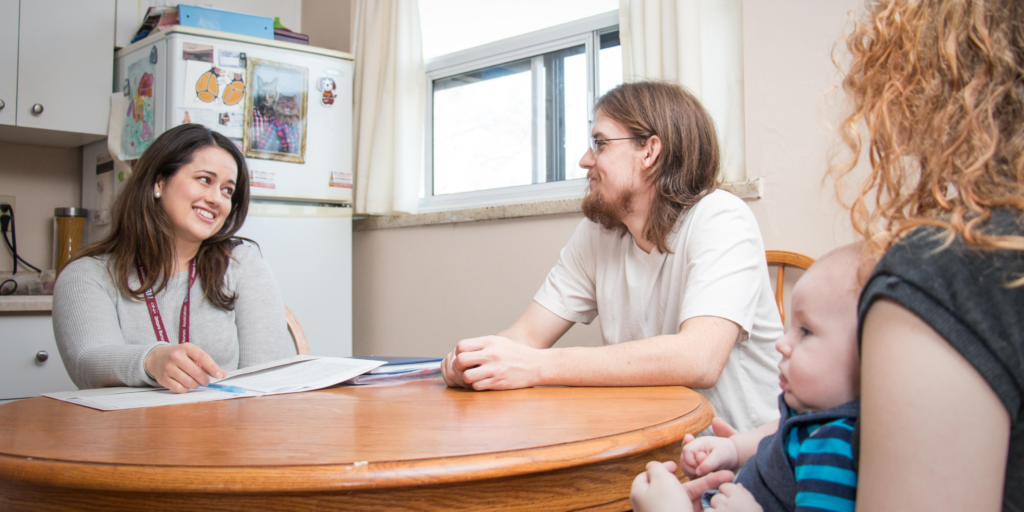
EFH also supports the practical parts of a healthy life. Through the three-year Transition to Success (TTS) program, families work on parenting, budgeting, employment, education, relationships, and long-term independence. The Parent-Child Assistance Program (PCAP) provides one-on-one home visits and connections to treatment, health care, transportation, parenting resources, and community services for eligible pregnant and parenting mothers.
These supports help families move beyond getting through the day and begin creating lives in which wellness can become part of the routine.
Supporting Wellness in Benton and Franklin Counties
This National Wellness Month, we invite our community to view self-care with compassion. For someone in recovery, an ordinary healthy choice may represent a meaningful step toward trusting themselves again.
If you or someone you know could benefit from EFH services, contact us at (509) 943-6610 or visit our office at 921 S Auburn St, Kennewick, WA 99336. You can also support this work by volunteering or donating. Sharing this message can also help our community view wellness and recovery with greater compassion.